Red Sea Tensions Push MCX Crude to Supply-Risk Premium
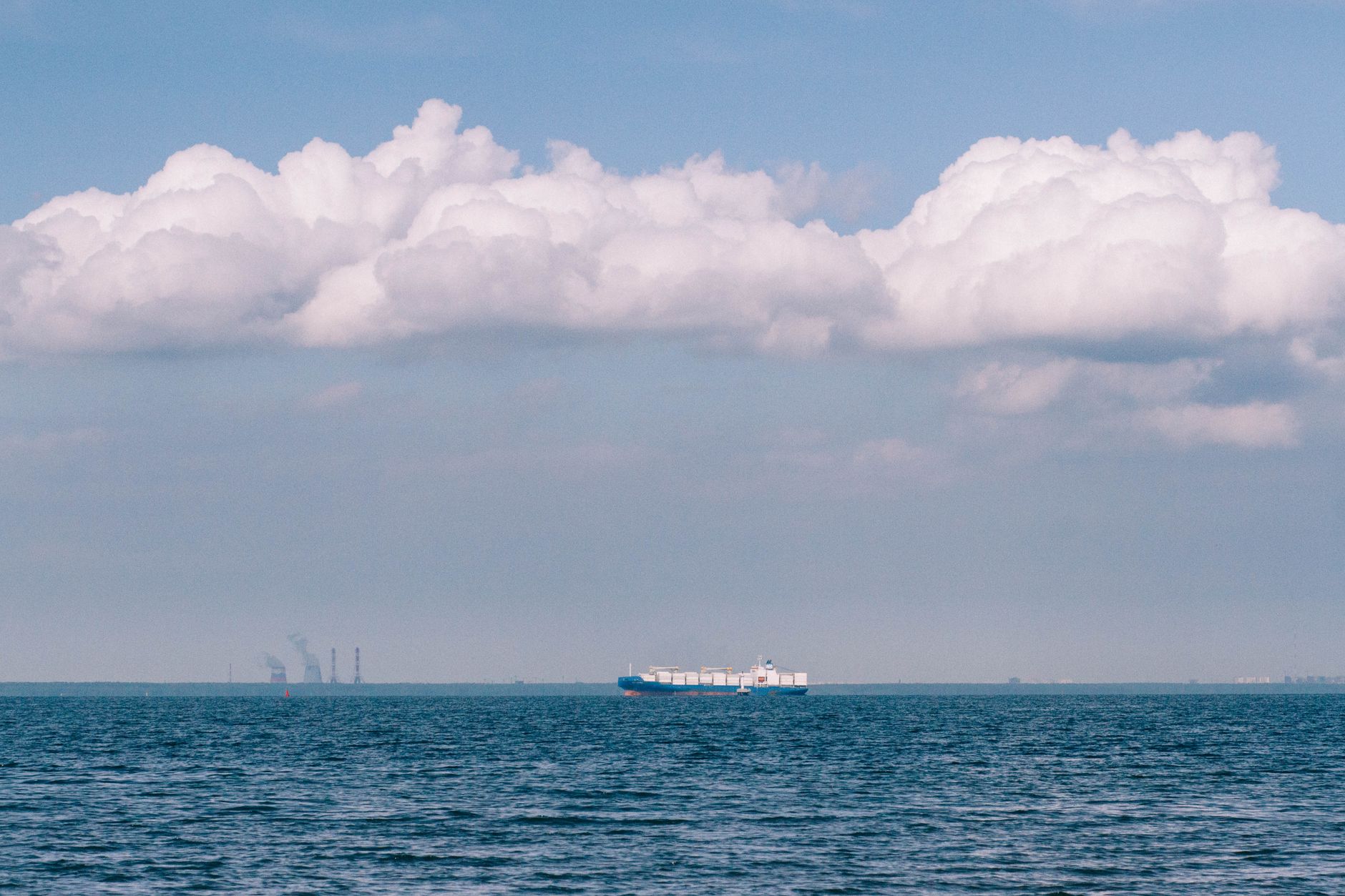
WHAT HAPPENED Middle East conflict has expanded into Red Sea shipping lanes, triggering disruptions to crude oil transit routes and prompting international oil prices to climb on immediate supply tightness fears.
WHAT IT MEANS Indian refinery procurement desks face WTI-linked crude cost repricing on every incremental barrel, while the rupee depreciation against the dollar compounds the landed-price burden for refineries settling in foreign currency. Port operators and shipping logistics providers quoting freight premiums to reroute tankers away from Suez Canal routes now price in 15–25% transit cost elevation, directly lifting the all-in cost recovery on crude imports that flow into domestic refinery input schedules.
WHO IS AFFECTED Refineries operating on monthly crude contracts indexed to Brent will renegotiate supplier pricing upward, immediately squeezing gross refining margins on petrol and diesel output sold to Oil Marketing Companies. Downstream petroleum product traders and fuel retailers face inventory repricings within 48–72 hours, forcing ex-pump petrol and diesel rates higher across retail pumps nationwide. Logistics operators running diesel-heavy fleets — from long-haul trucking to cement and steel logistics — absorb elevated fuel procurement costs, which ripple into freight surcharges on FMCG distribution, building materials supply, and last-mile e-commerce delivery, ultimately lifting retail prices on packaged foods, construction inputs, and courier services for household consumers.
BOTTOM LINE Refinery gross margins compress as crude input costs rise faster than petrol/diesel output pricing adjusts downward. MCX Crude Oil contracts trading near supply-risk premiums signal sustained elevation if Red Sea disruptions persist beyond 72 hours. Household fuel bills and transport-dependent consumer goods pricing shift upward within one fuel-pricing cycle.
WHAT TO WATCH Monitor OPEC+ production guidance updates and U.S. crude inventory data (weekly EIA releases) to confirm whether supply tightness justifies sustained premiums, or if price weakness emerges on demand-destruction signals.
Source: International News | bhaavbrief.in